

Android vs iOS AI Gap: What Apple Users Miss
Android vs iOS AI Gap: What Apple Users Are Really Missing
2026 was supposed to be the year smartphones became truly intelligent.
Instead, it has quietly become the year where the gap between Android and iOS feels… personal.
Not spec sheets. Not camera megapixels.
But daily life experience.
And for many Apple users, that gap is starting to sting.
Table of Contents


The Reality Check: AI That You Actually Use vs AI That’s Promised
On paper, Apple’s AI direction sounds refined, private, and deeply integrated.
In practice, many users are still asking a simple question:
“Where is it?”
While Apple continues to position its AI vision as something transformative, Android users are already living that transformation:
- Calls getting auto-screened and summarized
- Messages being rewritten, translated, or replied to intelligently
- Voice assistants actually executing multi-step tasks
- Phones understanding context across apps and actions
This isn’t experimental anymore.
It’s routine.
The Quality of Life Shift (This Is Where It Hurts)
The real difference isn’t “features.”
It’s friction.
Android is reducing it.
Apple is still managing it.
On Android:
- You ask once → it gets done
- You speak naturally → it understands
- You switch apps → AI follows you
On iOS:
- You repeat commands
- You simplify language for Siri
- You manually connect the dots
That difference compounds.
Over time, it becomes:
Less effort vs more effort
Less thinking vs more thinking
And that’s exactly what AI was supposed to fix.
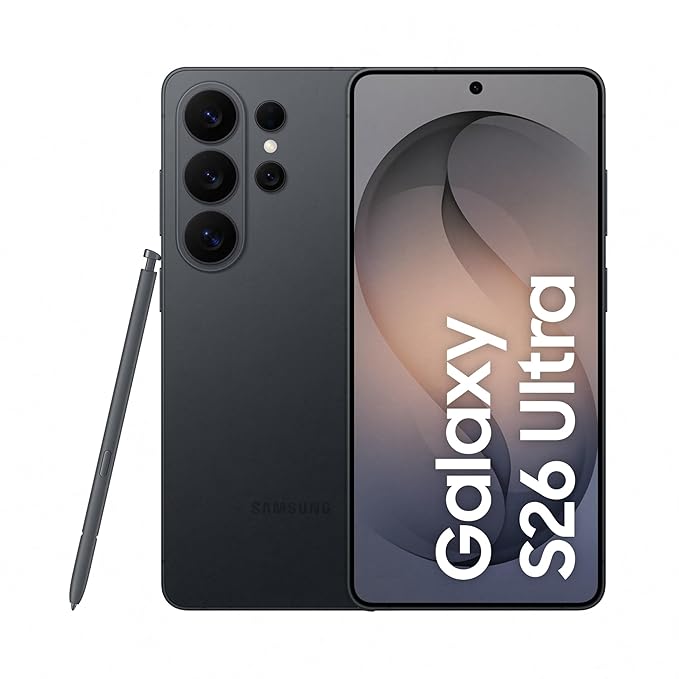


The Social Layer: Yes, It’s Becoming a Thing
This part is subtle—but real.
Apple users are starting to hear things like:
- “Your phone can’t do that?”
- “Wait, you still have to do it manually?”
- “Try this on my phone—it’s instant.”
It’s no longer just preference.
It’s perceived capability.
For a brand that built its identity on premium experience, that shift matters.
The Price vs Experience Question
Here’s the uncomfortable part.
Apple users are often paying:
- Premium hardware pricing
- Premium ecosystem commitment
But not yet receiving:
- Premium AI-driven productivity
- Premium automation
- Premium intelligence in daily workflows
That creates a quiet but growing tension:
“I paid more… but got less where it now matters most.”
Why Apple Is Behind (And Why It’s Not Simple)
To be fair, this isn’t incompetence—it’s strategy.
Apple is prioritizing:
- On-device processing (privacy-first)
- Controlled ecosystem integration
- Polished, stable rollout over rapid deployment
But that comes at a cost:
- Slower innovation cycles
- Delayed feature availability
- Less experimentation in the real world
Meanwhile, Android players are doing the opposite:
Ship fast → iterate faster → improve in public
And in AI, speed matters.
The Siri Problem (Still the Elephant in the Room)
For years, Siri has been the weak link.
Even now:
- Context handling is inconsistent
- Multi-step execution is limited
- Natural conversation still feels… unnatural
In an AI-first era, the assistant is the experience.
And right now, that experience isn’t competitive.
The Bigger Picture: This Isn’t Just a Phase
This shift isn’t temporary hype.
We’re moving toward:
- AI as the default interface
- Voice and context replacing manual navigation
- Smartphones acting as proactive assistants, not reactive tools
And in that world:
The OS that integrates AI deeper wins.
Right now, Android is closer to that future.
The Counterpoint (Apple’s Side of the Story)
Let’s not ignore this.
Apple still leads in:
- Ecosystem consistency
- Hardware-software integration
- Long-term user trust
- Privacy-first positioning
And historically, Apple:
- Enters late
- Refines deeply
- Scales massively
So this may not be a permanent gap.
But today?
It’s visible.
Takeaways
The Positives (for Android users)
- AI is already useful, not theoretical
- Daily tasks are faster and smarter
- Real-world productivity gains are tangible
The Negatives (for Apple users)
- AI feels limited and delayed
- Siri still underperforms in key areas
- Premium pricing vs current value mismatch
The Balanced View
- Apple is playing a long-term game
- Android is winning the present moment
- The real winner will be decided by integration depth, not announcements
Final Thought
This isn’t about brand loyalty anymore.
It’s about who is actually making your life easier today.
And right now, the answer is uncomfortable for Apple:
Android isn’t just competing—it’s delivering.
The bigger question is:
How long are users willing to wait for Apple to catch up?

Keywords: Apple Intelligence reality, Siri vs Google Assistant, smartphone AI features, Android AI advantages, Apple vs Android 2026, mobile AI comparison, real-world AI usage, smartphone productivity AI

