
Amazon Storefront Guide: Rules & Compliance Tips
The Amazon Storefront is a new way for creators and affiliates to earn by curating and sharing their favorite products in one personalized page. Built on top of the Amazon Associates Program, the Amazon Storefront lets you showcase product recommendations through shoppable content like photos, videos, idea lists, and collections.
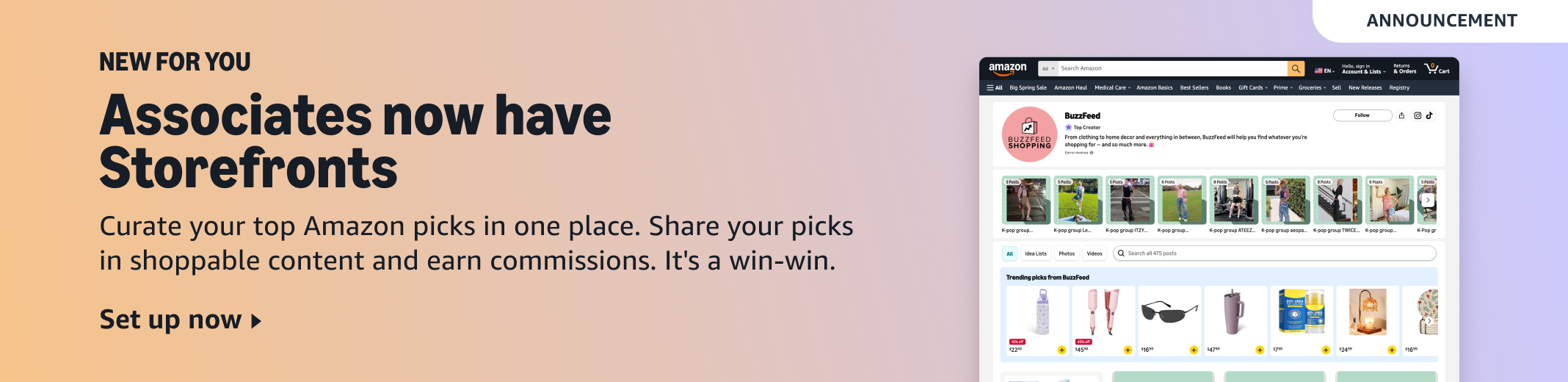
Unlike traditional affiliate links scattered across blogs, a Storefront centralizes everything — making it easier for followers to browse, trust, and buy.
But here’s the catch: many creators misunderstand the rules behind it. Since Storefront still operates under Amazon’s affiliate policies, violating key terms can result in lost commissions or account termination.
This guide highlights the most important compliance rules you must follow.
Disclaimers:
This content is intended only for individuals who are approved participants of the Amazon Storefront or Amazon Associates Program. The guidelines and compliance points discussed apply specifically to account holders who are qualified and actively enrolled in the program.This article is based on the Amazon Associates Program Operating Agreement (Updated: March 2019). Amazon may revise its policies, terms, and requirements at any time. Readers are strongly advised to review the latest official agreement and guidelines before implementing any strategies or actions.

Table of Contents
What is Amazon Storefront?
Amazon Storefront allows you to:
- Create a personalized page with your recommended products
- Share curated lists (e.g., “My Tech Setup”, “Best Budget Gadgets”)
- Post shoppable photos and videos
- Earn commissions when followers purchase through your links

Think of it as your mini Amazon shop powered by your content.
Why Amazon Storefront is Powerful
- Centralized product recommendations (better user experience)
- Higher trust compared to random affiliate links
- Works well for Instagram, YouTube, and influencers
- Easy sharing via one link
- Supports visual content (photos, reels, short videos)
Critical Compliance Rules (Most Creators Miss These)
Even though it looks simple, Storefront is governed by strict affiliate rules. Here are the key ones simplified:
1. Your Earnings Depend on Proper Tracking
All Storefront activity still relies on affiliate tracking links.
✔ You earn only when:
- Users click your Storefront or affiliate link
- Purchases happen within the allowed session
❌ If tracking fails → no commission
2. No Buying Through Your Own Links
You cannot:
- Purchase products from your own Storefront
- Ask friends/family to buy through your links
❌ This is one of the fastest ways to lose your account.
3. No Incentives or “Click for Reward” Tactics
You must NOT:
- Offer cashback, discounts, or gifts
- Say “Buy from my link to support me and get X benefit”
✔ Storefront must be based on organic recommendations, not incentives.
4. Mandatory Affiliate Disclosure
Even with Storefront, you MUST disclose clearly:
- On your website
- On social media (captions, bio, or near links)
✔ Example:
“I earn from qualifying purchases as an Amazon Associate.”
5. No Misleading Content
You cannot:
- Fake reviews
- Overpromise product results
- Imply Amazon officially endorses you
✔ Authenticity = long-term growth
6. Content Restrictions Apply
Your content (including Storefront promotions) must NOT include:
- Adult or explicit material
- Hate, violence, or illegal content
Amazon can terminate accounts at any time.
7. Don’t Misuse Amazon Branding
You cannot:
- Use “Amazon” in your username, domain, or branding
- Pretend your Storefront is an official Amazon page
8. Session Rules Still Apply
You earn commission only if:
- Purchase happens within 24 hours of clicking
- Or product added to cart during session (extended purchase window)
❌ If user clicks another creator’s link → you lose the sale
9. No Paid Ads on Amazon Keywords
You cannot run ads targeting:
- “Amazon”, “Kindle”, or similar brand keywords
This includes Google Ads and search campaigns.
10. Your Content = Your Responsibility
You are responsible for:
- Accuracy of product information
- Claims you make
- Compliance with laws and platform rules
Amazon is NOT liable for your content.
Common Mistakes Storefront Creators Make
- Treating Storefront like a shortcut to easy money
- Not adding affiliate disclosures
- Spamming links without valuable content
- Copying product descriptions from Amazon
- Using clickbait (“Best ever”, “Guaranteed results”)
- Ignoring policy updates
How to Succeed with Amazon Storefront
- Build niche-based collections (tech, fashion, home, etc.)
- Create helpful content (reviews, comparisons, demos)
- Focus on trust, not just clicks
- Use social media to drive traffic
- Keep updating your Storefront regularly
Final Thoughts
The Amazon Storefront is a powerful evolution of affiliate marketing — especially for creators who rely on visual and social content.
But it’s not a loophole around rules. It’s still governed by strict affiliate policies.
If you stay compliant and focus on genuine recommendations, your Storefront can become a scalable and consistent income stream.
Get in touch
Need help getting started with an Amazon Storefront or affiliate account?
We can guide you through the setup, approval process, and strategy to start earning the right way.
👉 Contact us today to get started.Keywords
Amazon Storefront
Amazon Storefront India
Amazon Storefront guide
Amazon Storefront rules
Amazon Storefront affiliate marketing
Amazon Storefront tips
how to create Amazon Storefront
Amazon influencer storefront India
Amazon Storefront compliance
Amazon Storefront mistakes
Amazon affiliate storefront
how to earn from Amazon Storefront
Amazon Storefront for beginners
Amazon Storefront policies
Amazon influencer program India
Amazon Storefront earnings
Amazon Storefront strategy
Amazon affiliate rules India
Amazon Storefront content ideas
Amazon Storefront SEO

