


AI Search SEO: How to Publish Blogs for Revenue Now
AI Search SEO: How to Publish and Monetize Blogs Today
Table of Contents
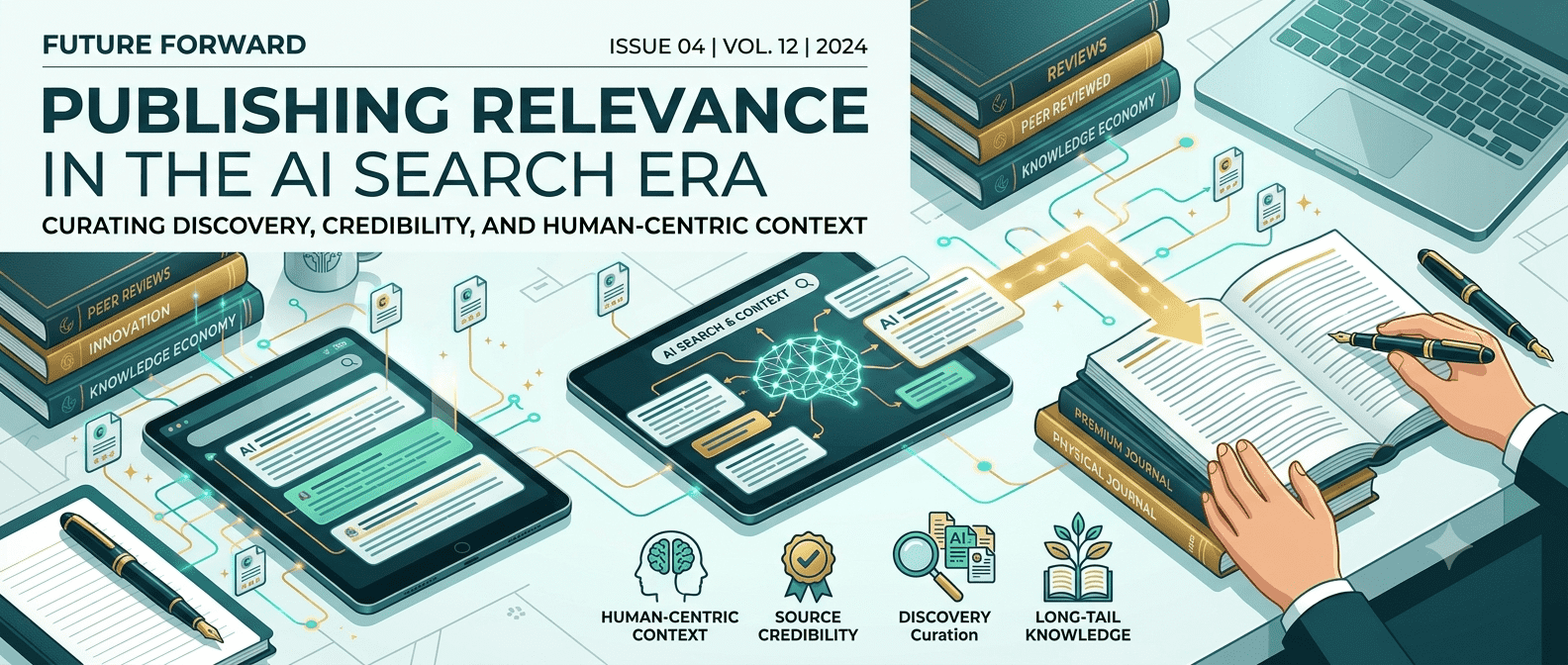
The rise of AI search engines like Perplexity, ChatGPT Search, and Google Gemini has completely changed how people find information online. We are firmly living in the era of zero-click searches, where users get instant answers without ever clicking through to a website.
If you are a blogger or content creator, you might be wondering if publishing is still worth the effort. The short answer is yes—but the old playbook is dead. To survive and make money, you must master AI search SEO and shift your focus from chasing massive traffic to capturing high-value, intent-driven readers.
Here is your practical, step-by-step guide to optimization and revenue generation in the age of AI.
1. How to Get Featured in AI Search Results
AI engines do not pull answers out of thin air. They scrape the web, summarize data, and cite their sources. Your goal is to become the primary source they quote.
Write with “Snippet-Ready” Structure
AI models love structured data because it is easy to parse. Organize your articles using clear headings, concise paragraphs, and bullet points.
- The Q&A Format: Start a section with a direct question (H2 or H3 tag) and answer it immediately in the very next sentence using bold text.
- Example:How do you optimize for AI search? You optimize by providing direct answers, using structured schema markup, and presenting original data in tables.
Provide Hard Data and Tables
AI search bots frequently look for statistics, price comparisons, and specifications. If you put this data into a clean Markdown table, AI engines are highly likely to extract your table and credit your link.
| Content Feature | Why AI Engines Prefer It |
|---|---|
| Original Data / Surveys | AI cannot invent data; it must cite your study. |
| Step-by-Step Lists | Perfect for “how-to” chat prompts. |
| Expert Quotes | Adds human authority that LLMs cannot replicate. |
Lean Heavily into EEAT
EEAT stands for Experience, Expertise, Authoritativeness, and Trust. AI cannot test a physical product, interview a local business owner, or feel an emotion.
- Include phrases like: “In my 5 years of testing this software…” or “We interviewed 10 local mechanics to find…”
- Add original photography and hands-on video embeds. AI engines actively look for these elements to prove the content isn’t just generic AI-generated fluff.
2. Practical Tips to Take Advantage of AI Citations
When an AI engine references your site, the casual searcher won’t click it. But the high-intent user will. The person who clicks an AI citation is looking to buy, download, or dive deep. Here is how to capitalize on them:
- Create “Deep Dive” Landing Pages: Make sure the pages being targeted by AI have clear, immediate value. If the AI sends someone to your page for a “detailed breakdown,” give them an exhaustive, beautifully formatted guide.
- Optimize for the “Second Click”: Once a user lands on your site via an AI link, capture them immediately. Use prominent, uncluttered call-to-action (CTA) buttons for your email newsletter or primary offer right at the top of the page.
- Use Clear Schema Markup: Implement Article, Product, and FAQ schema in your site’s HTML. This acts as a roadmap for AI crawlers, telling them exactly what your content is about.
How Google Determines Content Quality & How to Rank Higher
3. How to Generate Revenue in the AI Era
Because total visitor volume is down across the web, programmatic display ads (like low-tier Google AdSense) that pay per thousand views are no longer viable as a solo strategy. You must pivot to high-yield monetization.
Pivot to High-Intent Affiliate Marketing
Instead of targeting broad keywords like “What is digital marketing?”, target high-intent comparison keywords like “Software X vs Software Y review.”
- People searching these terms in AI engines are right on the edge of making a purchase.
- When the AI synthesizes your comparison and drops your affiliate link as the citation, the conversion rate is incredibly high.
Sell Direct Digital Products and Services
Use your blog articles to prove your human authority, then sell solutions directly to your audience. This removes reliance on third-party ad networks entirely.
- E-books and Blueprints: Expand on your free content with paid, deep-dive guides.
- Paid Newsletters: Build a community on platforms like Substack where users pay a monthly fee for exclusive insights.
- Consulting or Coaching: Offer one-on-one sessions to solve the exact problems you write about.
Build an “Un-Scrapable” Audience
The ultimate insurance policy against AI search engines is a direct relationship with your readers. Shift your primary metric from “monthly website visits” to “email newsletter subscribers.”
An email list belongs entirely to you. AI cannot stand between you and your subscribers’ inboxes, ensuring a stable, highly profitable revenue stream no matter how search technology evolves.
Keywords
- AI search engines
- Perplexity optimization
- Zero-click searches
- EEAT content strategy
- Digital product monetization

